Blog
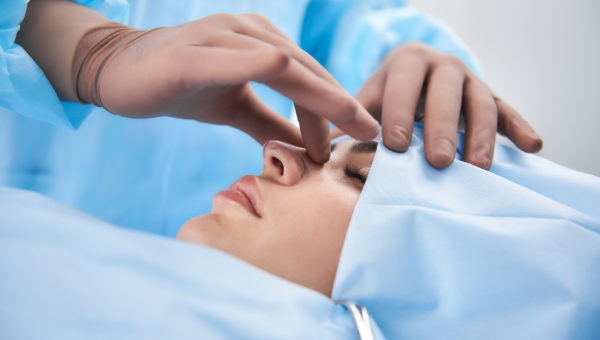
Rhinoplasty, commonly referred to as a nose job, is a
surgical procedure used to reshape the nose to improve its function or appearance.
Many people undergo rhinoplasty for cosmetic reasons to reduce or increase the
size of their nose, change the size or shape of the tip, the bridge, or
nostrils; however, rhinoplasty is more commonly used to correct breathing
problems related to the nose or to correct disfigurements that occurred because
of trauma or birth defects.
Surgical steps
- The Anesthesia- For your comfort, a general or
local anesthesia will be administered by your anesthesiologist after you are
brought into the operating room. Your face will be washed with antibacterial
solution and you will have fluids throughout the entire surgery.
- The Incision- Once you are completely under
general or local anesthesia, the surgeon will make the appropriate incisions
for access to the inner structure of the nose. The two common methods are "open" rhinoplasty and "closed" rhyinoplasty.
- The Reconstruction- Once the soft tissues that
cover the nose are gently raised, the surgeon will begin re-shaping your nose.
The surgeon can reduce or augment nasal structures with the use of cartilage
grafted from other areas of your body like the septum or occasionally a piece
of cartilage from the ear.
- The final steps- After the surgeon has rearranged
and reshaped the bone and cartilage to the desired shape, the skin and tissue
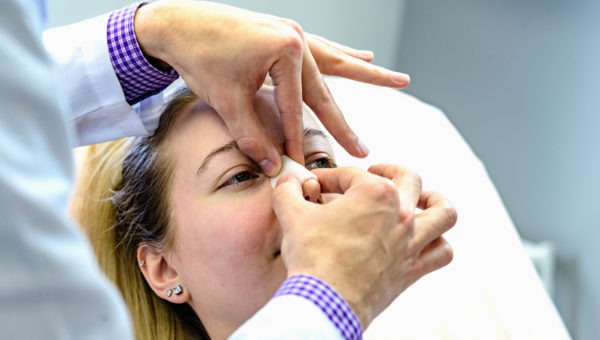
is re-draped over the nose. A splint or internal tube is placed outside the
nose to maintain the new shape as the nose heals. For additional support, your
surgeon may place nasal packing inside the nose.
- The end result- Although any initial swelling diminishes
within a couple weeks, it may take up to a year for your new nasal shape to
fully refine. Be patient during this time, as you will likely observe gradual
changes in the appearance of your nose until its final contour is reached. You
will have several doctor's appointments afterwards so the surgeon can evaluate
your healing process and handle any questions or concerns.
Just like with any other surgery, recovery and downtime with rhinoplasty is extremely important, so
make sure you follow the necessary rules for healing. Rhinoplasty is a very difficult surgery to
perform, and about 1 in 10 patients return to have a secondary surgery or
enhancement. That's why it's important to find a qualified rhinoplasty surgeon
with experience and a reputable record.
Rhinoplasty is a complex
procedure that requires a delicate restructuring of the nose in order to mold
it to a more desirable form for aesthetic reasons or to improve function. Since
rhinoplasty is an intricately performed surgical procedure, many questions may
arise regarding the operation. The top 5 rhinoplasty questions include:
- Will insurance cover
rhinoplasty? In most cases, insurance companies will not cover the costs of
rhinoplasty unless it is being done out of medical necessity. Elective cosmetic surgery will typically not
be covered under your insurance plan. If your insurance company agrees to cover
the surgery, the exact coverage amount will depend on your particular insurance
carrier.
- How long does rhinoplasty take? The actual
rhinoplasty surgical procedure typically takes between one and two hours to
complete depending on the complexity of the procedure and what all you are
having done. Your plastic surgeon will be able to determine a more accurate
time frame once they become familiar with your particular case.
- At what age can rhinoplasty surgery be performed?
For most healthcare professionals, health, rather than age, is the most
important consideration in determining the maximum advisable age for
rhinoplasty. In cases involving mild or severe disfigurement due to accidents
or birth defects, surgery may be performed at any age in an attempt to restore
the nose to a more pleasing form. This will not only improve the individual's nose
function, but also their self-confidence. In general, though, rhinoplasty
should be avoided until the nose fully matures; this means around age 16 for
women and age 18 for men.
- When will I be able to see the results? Unfortunately,
the results of rhinoplasty will not be instantaneous. For the first few days
your nose will look bruised and swollen. After about a week the swelling will
start to decrease and discoloration will start to fade. By 2 months, nearly all
of the swelling and bruising should be gone, unless you fall prey to the risks or complications of rhinoplasty. Often
the subtleties and elegance of the surgery aren't revealed for up to 6 to 12
months after surgery. If the surgery was performed to improve functionality and
breathing, you should be able to reap the benefits after week three once the
major swelling subsides.
- How much does a rhinoplasty cost? It's important
to remember that the cost of the surgery includes much more than the procedure
itself. Other included fees are for the operating facility, the
anesthesiologist, medicines, splints, packing, and other services and
materials. The total cost really depends on where you live and the amount of
work you need done. Prices can even vary from surgeon to surgeon depending on
their popularity. You should discuss the fee for your rhinoplasty with your
surgeon and get all the information in writing. The amount you pay will also
depend on how much your insurance provider will cover so be sure to discuss the
issue with them as well.
Rhinoplasty is reconstructive surgery of the nose that can
be used for either improving aesthetics or function. The surgery can correct many problems of the
nose caused by genetics, trauma, or disease and can fix many aesthetic problems
as well. As with any surgery, however, a rhinoplasty procedure does carry some
risks. Fortunately, complications are rare and even if they do occur, they are usually
minor.
Risks and complications
Many of the complications from rhinoplasty are no different
than those related to other types of major plastic surgery procedures. You can
always expect temporary swelling and bruising around the eyes and nose after
rhinoplasty. Other risks and possible complications you need to be aware of prior
to proceeding with surgery include:
- Risk of infection
- Adverse reaction to the anesthesia
- Bleeding
- Injury or holes to your septum (the wall that
separates your nostrils).
- Skin problems, including skin necrosis (breakdown
of skin tissue) and irritation from the tape and bandaging.
- Loss of smell for a period of time (in rare cases
it could be permanent).
- Nasal blockage caused by swelling inside the nose.
- Scar tissue could develop and interfere with
breathing or cause a whistling noise.
Rhinoplasty procedures are considered safe and hundreds of
thousands of rhinoplasty surgeries are performed every year. However, even when
a highly skilled surgeon performs your surgery, sometimes your body could react
unfavorably or not heal correctly. In most cases, though, cosmetic complaints
are the most common "complications" associated with rhinoplasty. Simply put,
some patients are not pleased with the result, which may or may not be the
surgeons fault.
While complications may be rare, there are some things you
should do to ensure the best outcome. First and foremost, it's crucial to
select a skilled surgeon with solid expertise in rhinoplasty. Making sure the
assisting staff members are also experienced with rhinoplasty is important as
well. Be ready to improve your outcome by educating yourself about the surgery and
by closely following your surgeon's instructions both before and after surgery.
If you are worried about your surgery, the top 5 rhinoplasty questions may provide
some helpful insight that will make you feel more confident. Don't be burdened
by anxiety, your surgeon will review with you all of the potential risks and
complications that can occur prior to the surgery and answer any questions or
concerns you may have.
Rhinoplasty is a delicate procedure that requires sufficient
recovery and downtime afterwards. The risks
and complication of rhinoplasty vary from person to person, but every
individual should take proper care of themselves after such an intrusive
operation. The recovery and downtime after the surgery could make a huge
difference in the overall outcome.
While most people assume it takes months to recover from
rhinoplasty, you can actually return to your normal routine within 3-5 days after
the procedure, especially if you are a student or have a desk job. However,
proper post-operative care with
rhinoplasty should still be maintained months following the surgery.
What to expect
Because the back of your nose connects to your throat and
stomach, blood can easily be swallowed during surgery. While this is harmless,
it could result in nausea and may cause you to throw up a black-looking mixture
a few hours after surgery. The nausea should subside once you throw up, but if
it continues contact your doctor. Other things to expect include:
- During the first day or so, your nose will
probably ache, your face will look swollen and puffy and you may feel like you
have a really bad head cold. Luckily, your doctor will prescribe pain medicine
to help counteract any discomfort you may feel.
- You may also have problems breathing, since the
nasal passages will likely be swollen, but that should go away after a few
days.
- In most cases, you will be required to wear a
nasal splint for the first week after rhinoplasty.
- Don't be afraid if you have deep bruising around
the eyes, it is quite common and will go away after a couple weeks.
- Expect for the tip of your nose to heal the
slowest, since that area get less blood flowing through it.
- After the two week mark, you will have a minor
degree of swelling, but it will only be noticed by you and your surgeon. The puffiness
will go away completely over the next six months and the shape of your nose
will finally be apparent.
After surgery, you should avoid strenuous activity for at
least three to four weeks, but you can return to your social activities as soon
as you feel up to it. Healing takes time, so be patient. You can expect to see
the final results of your rhinoplasty six to twelve months after your surgery. If
you have any concerns, contact your surgeon immediately.
Because rhinoplasty is usually performed as an outpatient
procedure, it's important to understand your post-operative care requirements
before you undergo the surgery. While the results of rhinoplasty vary depending
on what kind of correction you want, it is vital that you and your plastic
surgeon agree on the goals of the surgery beforehand. The results of
rhinoplasty are permanent, so making sure everything goes as planned is essential
to a successful surgery and recovery.
After the surgery
Rhinoplasty is a complex surgical procedure dealing with the
delicate tissue and bones in the nose, so it's going to take time and rest
before it gets back to normal. Recovery
and downtime with rhinoplasty is just as important to the outcome of your
procedure as the surgery was. After all, complications that arise during the
healing process could have serious repercussions on your nose's function and
appearance.
Things to avoid
- Don't participate in sport activities (swimming,
playing sport games) or any activities that increase your blood pressure for
more than two weeks.
- Avoid rubbing your nose or getting it sunburned
for at least eight weeks.
- Be careful while washing your hair and face and be
gentle using cosmetics.
- To help your healing nose maintain its shape, you
won't be able to wear eyeglasses or sunglasses on the bridge of your nose for
approximately four weeks; however, you can wear contacts.
- Avoid chewing gum as well as foods that are hard
to chew because they cause too much facial movement.
- Don't consume alcohol because it thins the blood
and can lead to bleeding.
Rhinoplasty "red flags"
Certain red flags may indicate that your rhinoplasty recovery
is not going smoothly. For example, a
fever may be a sign that there is an infection. It is important to monitor your temperature
regularly, and to take your antibiotics as prescribed. The risks and complications of rhinoplasty may be rare, but it's
important to know what the signs are so you can get the problem handled before
it gets worse.
Luckily, your will have numerous doctor visits with your
surgeon after the surgery so he can evaluate how you're healing and potentially
clean the inside of your nose. During this time you can express any concerns
and consult with your doctor about any unusual symptoms you may be having.
All of the rumors and conflicting information about plastic
surgery has made researching the subject quite confusing. While the internet
has made it easy to share information, it has also made it hard to distinguish
what is fact and what is fallacy. The following is an assembled list of some of
the most commonly repeated myths, accompanied by the facts.
Myth: Only one plastic surgery procedure can be
done at a time.
Fact: While many people choose to get only one plastic
surgery procedure at a time, it is indeed possible to have more than one
procedure in one sitting. However, combined procedures require more time under
anesthesia; so to protect your safety you will get a physical examination in
order to be medically cleared by a doctor before undergoing surgery.
Myth: All plastic surgeons are equally qualified.
Fact: All surgeons are not equally qualified. Board
certification is an essential criterion, but even board certified surgeons vary
widely in qualifications and skills. Just because a plastic surgeon flaunts
many different kinds of certifications, has their degree and passed a rigorous
written test, it doesn't mean they are the best. Even though many cosmetic
surgeons advertise themselves as having many different kinds of certifications,
only the American Board of Facial Plastic and Reconstructive Surgery certifies
that someone is fully trained in plastic surgery of the face and body.
Myth: Plastic surgery does not require follow-up
examinations.
Fact: For your safety and benefit, follow-up visits after
surgery are highly recommended. The follow-up appointments allow your surgeon
to examine your healing process and make any changes to your post-operative
care if necessary. It is important to keep follow-up appointments, because it
may save you from having to undergo a revision operation or having to withstand
painful complications. Not to mention, plastic surgeons are trained to be able
to identify early signs of problems, so they can catch them before they get
worse.
Myth: Plastic surgery is just for the
wealthy.
Fact: Most people consider plastic surgery as something that
only the wealthy can afford. However, in recent years, statistics from the
American Society of Plastic Surgery show that the vast majority of patients
undergoing plastic surgery are middle-class patients who use their own
disposable income. From young women to older men, facial plastic surgery has
become increasingly popular among people from all walks of life. Many plastic
surgeons even offer a variety of flexible financing options for those who need
the added assistance.
Ultimately, the decision to undergo plastic surgery should
not stem from the cost, but from what underlying issue you are trying to
improve- be it aesthetics or function. If you have any other questions or concerns
regarding facial plastics, contact your doctor.